1. about Apollo
Apollo is one of the most important and complex of the Olympian deities in classical Greek and Roman religion and Greek and Roman mythology. The ideal of the kouros (a beardless, athletic youth), Apollo has been variously recognized as a god of light and the sun, truth and prophecy, healing, plague, music, poetry, and more.
Apollo's female lovers
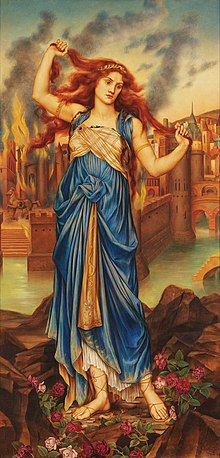
Cassandra, was daughter of Hecuba and Priam, and Troilus' half-sister. Apollo fell in love with Cassandra and promised her the gift of prophecy to seduce her, but she rejected him afterwards. Enraged, Apollo indeed gave her the ability to know the future, with a curse that she could only see the future tragedies and that no one would ever believe her.

2. about Cassandra
In Greek mythology, Cassandra was the daughter of King Priam and Queen Hecuba of Troy.
A common version of her story is that Apollo gave her the power of prophecy in order to seduce her, but when she refused him, he gave her the curse of never being believed. In an alternative version, she fell asleep in a temple, and snakes licked her ears so that she was able to hear the future. Snakes as a source of knowledge is a recurring theme in Greek mythology, although sometimes the snake brings understanding of the language of animals rather than an ability to know the future. Cassandra is a figure of both epic tradition and of tragedy.
3. mythology / myth
Mythology can refer either to the collected myths of a group of people—their body of stories which they tell to explain nature, history, and customs—or to the study of such myths.
4. ares aphrodite affair
A characteristic of Homer's style is the use of epithets, as in "rosy-fingered" dawn or "swift-footed" Achilles. Epithets are used because of the constraints of the dactylic hexameter and because of the oral transmission of the poems; they are mnemonic aids to the poet and the audience alike.
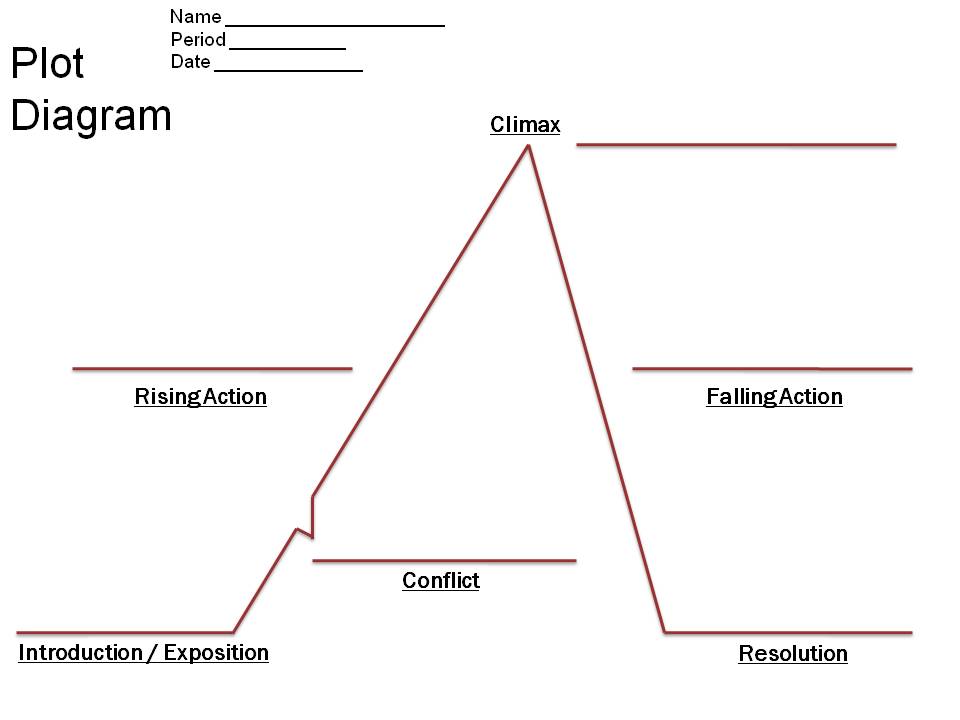
6. plot
7. denouement 結局
de--down , away from
decline 下降
depreciate 降價
departure 離開

請先 登入 以發表留言。