1. Homeric epithet----byname, descriptive, binomial nomenclature
An epithet is a byname, or a descriptive term (word or phrase), accompanying or occurring in place of a name and having entered common usage. It can be described as a glorified nickname. It has various shades of meaning when applied to seemingly real or fictitious people, divinities, objects, and binomial nomenclature.
attach----to fasten or join one thing to another
de----down away from
detach......from----to remove something from something larger; to become separated from something
2. epic poetry
An epic is a lengthy narrative poem, ordinarily concerning a serious subject containing details of heroic deeds and events significant to a culture or nation. Classical epic continues to employ dactylic hexameter and centers its plots around the theme of a journey, either physical or mental or both. Epics tend also to highlight cultural norms.
3. Joseph campbell 英雄的旅程

4. Achilles' heel----physical vulnerability , deadly weakness
An Achilles heel is a deadly weakness in spite of overall strength, which can actually or potentially lead to downfall. While the mythological origin refers to a physical vulnerability, idiomatic references to other attributes or qualities that can lead to downfall are common.

5. dramatic irony
----the audience watches characters stumble toward ends
6. fate
fatal destiny
fatal attraction 致命的吸引力
fatal woman
femme fatale----Salome
A femme fatale is a stock character of a mysterious and seductive woman whose charms ensnare her lovers, often leading them into compromising, dangerous, and deadly situations.

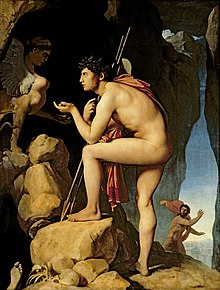
7. Oedipus complex 戀母情結
The term Oedipus complex (or, less commonly, Oedipal complex) denotes the emotions and ideas that the mind keeps in the unconscious, via dynamic repression, that concentrates upon a child's desire to have sexual relations with the parent of the opposite sex.

8. drama
----tragic flaw
----tragic hero
----hubris ( pride)
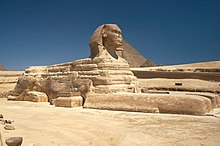
9. Sphinx
A sphinx is a mythical creature with, as a minimum, the body of a lion and a human head.
10. hubris
Hubris means extreme pride or self-confidence.
11. tragic flaw----the character defect that causes the downfall of the protagonist of a tragedy; hamartia.
The term hamartia derives from the Greek ἁμαρτία, from ἁμαρτάνειν hamartánein, which means “to miss the mark” or “to err”. It is most often associated with Greek tragedy, although it is also used in Christian theology.
12. Catharsis
Catharsis is the purification and purgation of emotions—especially pity and fear—through art or any extreme change in emotion that results in renewal and restoration. It is a metaphor originally used by Aristotle in the Poetics to describe the effects of tragedy on the spectator.

請先 登入 以發表留言。